
Shortboard vs Mid Length Surfboard for UK Surf | Hand Laid Eggs Cornwall
Shortboard vs Mid Length Surfboard - Which is right for UK Surfers?
By Max - Board designer and shaper | Hand Laid Eggs
Depending on your surfing level and where you surf, there is no exact right or wrong answer and the best board for the conditions may change on the day, with the tide, surf forecast or even your mood.
For a budding advanced, or dedicated higher level intermediate surfers’ this isn’t an either or - you should own both a shortboard and a mid length, if not a few of each.
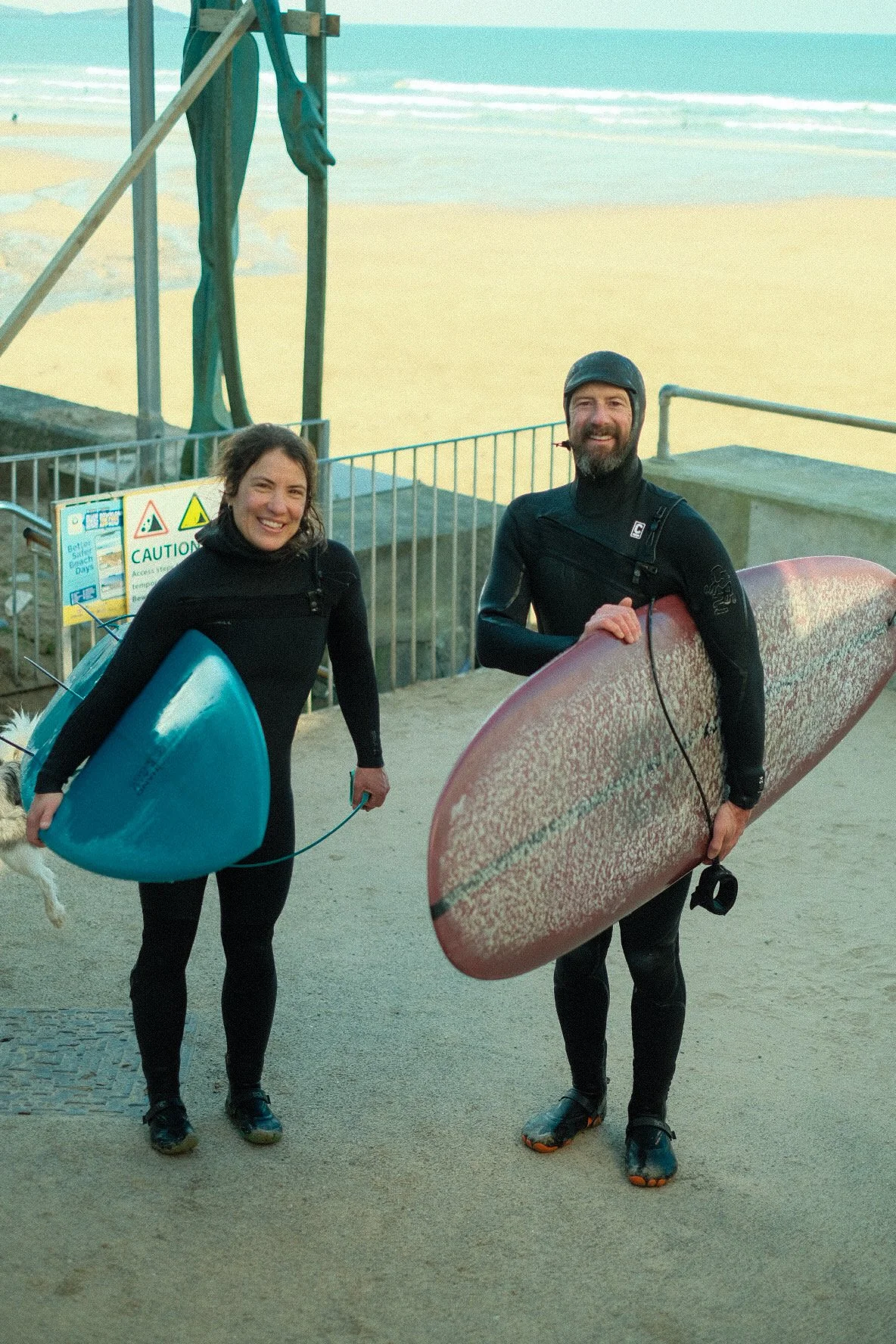
Martina with our Scrambled Lite, Adam with the Poached model - which was best on the day?!
What actually separates a shortboard from a mid length
In simple terms, it’s all about the length. Shortboards are short…usually 6’4 and below, and mid lengths are the middle length in between that and longboards, usually 6’6 to 8’0.
Shortboards used to be solely for decent, punchy waves and anything other than that would be surfed on a longboard, mini-mal, mid length or fish. More commonly now, there are variations on ‘short’ boards, which is essential to understand when comparing them to mid lengths.
Shortboards can roughly be split into 4 categories:
High performance
For really good waves and equally good surfers. With ‘knifey’ and ‘pointy’ aggressive outlines, these boards have incredibly slimmed down dimensions, and are about as thin and sinky as you can ride. They feature a lot of rocker to fit inside steeper waves and make tighter turns.
Grovellor/small wave shortboard
Grovellors are usually surfed in a similar length to more high performance shortboards. To allow them to surf well in smaller waves, they are usually wider, thicker, floatier and have rounder and fuller outlines. The rocker is quite flat and they feature a lot of surface area at the tail (like a big square tail) which also helps keep the speed up in smaller weaker waves.
Everyday
A cross over of the two, sitting somewhere in the middle but usually leaning more towards the high performance features. Basically non pro boards for very good surfers who enjoy shortboarding.
Twin pin/performance fish
Similar dimensions and features to an everyday shortboard but more commonly with a rounded pin tail or small swallow tail. A good choice as an ‘everyday shortboard’ for those after the slightly different feeling that a twin fin provides.
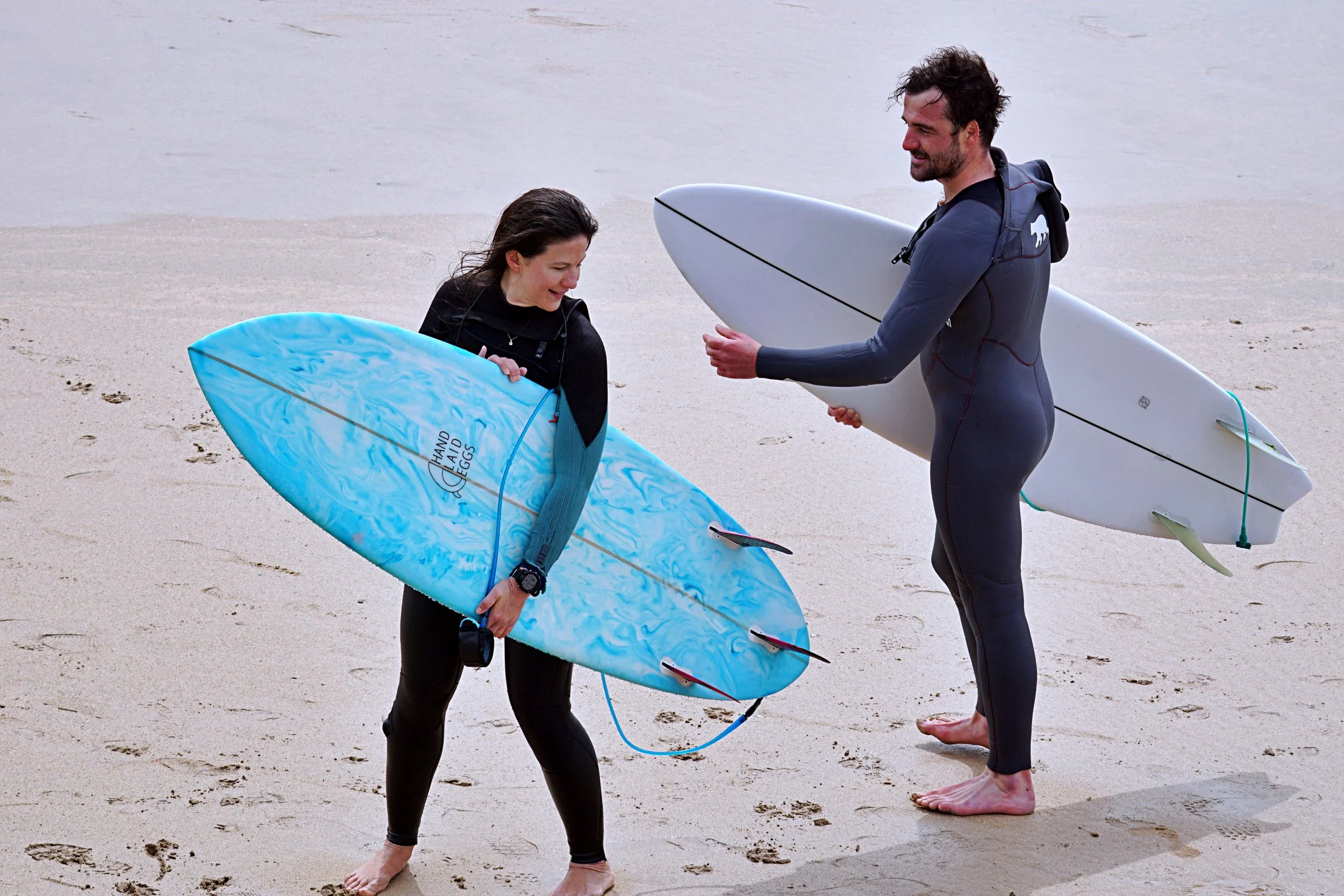
What about types of mid length?
Mid lengths have a little less variation and due to their size, the majority will work in a larger range of conditions to shortboards, although some models will suggest they are better suited to smaller waves as opposed to bigger.
Mid lengths with flat rockers and more round outlines will suit smaller and weaker waves more. Equally the more float and thickness in a mid length, the better it will keep you speed up and aid wave count.
The more ‘pointy’ the outline at nose and tail, the more they suit steeper and faster waves. If these boards are also thinner, they will handle the speed of these waves, slice into turns easier and will be more manageable to duck dive in bigger conditions.
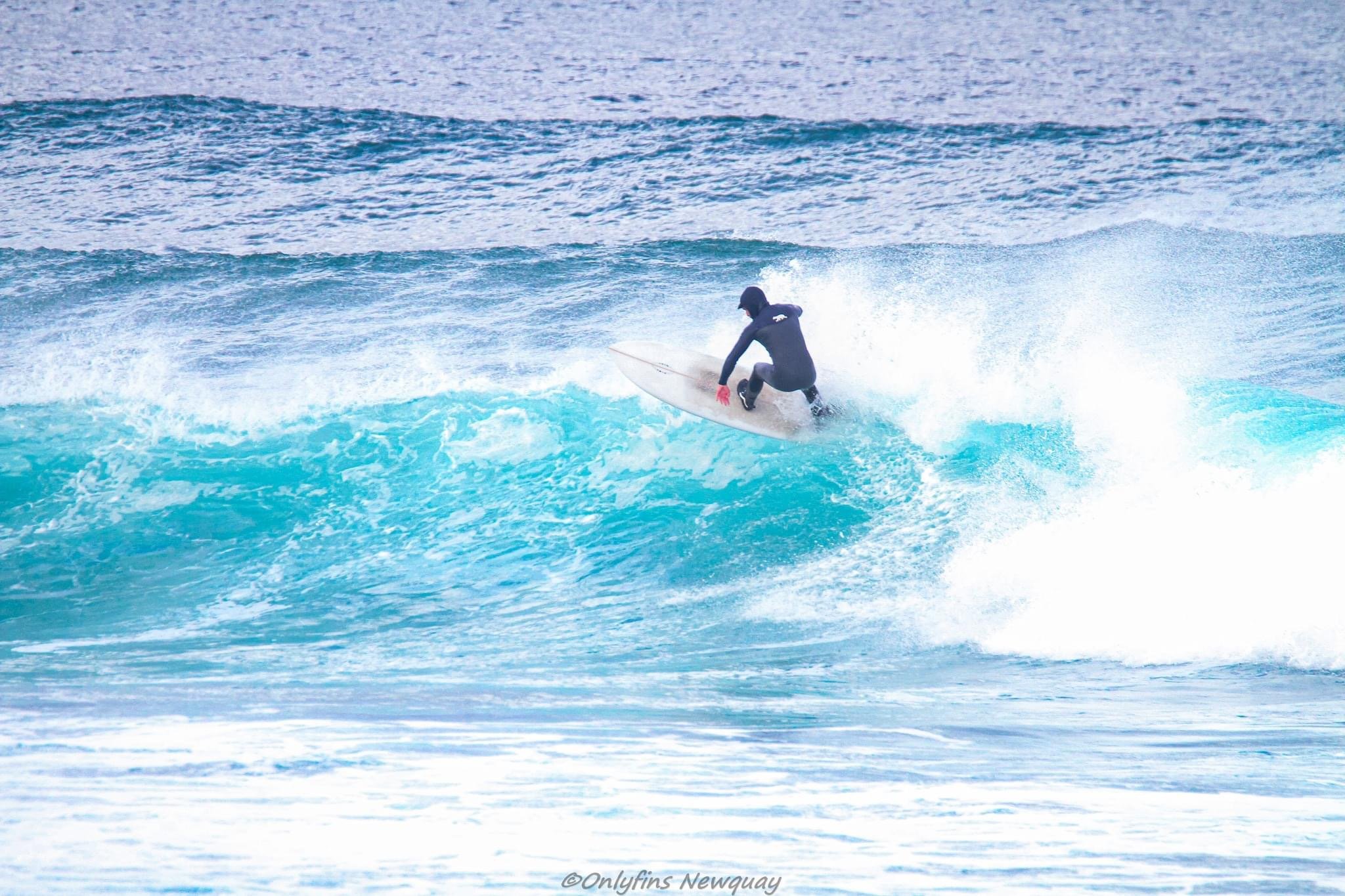
Shaper Max surfing the Royale model at Fistral Beach
What kind of surfer suits a shortboard - am I ready for a shortboard?
With shortboards being smaller in length, width and commonly low volume - to ride a shortboard you’ll need to be popping up consistently and accurately, landing with your feet in the center (stringer line) of the board.
How you paddle with your arms and your positioning also need to be precise, with a good back bend allowing the body to be half sunk but with the weight focussing on the sweet spot where the board is thickest - right under the chest.
Another thing that will make a big difference is your ability to read waves and generate speed on them. Having a much smaller and less floaty board means, in anything other than powerful fast waves, you will need to manoeuvre the rails in and out of the water, make turns up and down the wave face or pump just to stay afloat and move with the wave.
A lot of shortboarders are seen pumping and generating speed before they do any turns or manoeuvres - if you can’t do this then you won’t benefit from the board being easier to turn as you will never have the momentum to make the turn!
In powerful waves, if you do manage to get to your feet, you may find the board twitchy and too easy to turn, making it hard to hold your line.
This does all depend on the size of the shortboard and what it’s designed for. Grovellor boards are often picked up by intermediate surfers due to their high volume designs. Often in these cases, the intermediate surfer then takes the floatier and easier paddle small wave board into bigger and steeper waves because it’s easier to get out back. The issue here comes when taking off on the wave, with a flatter rocker making it more likely you will nose dive!
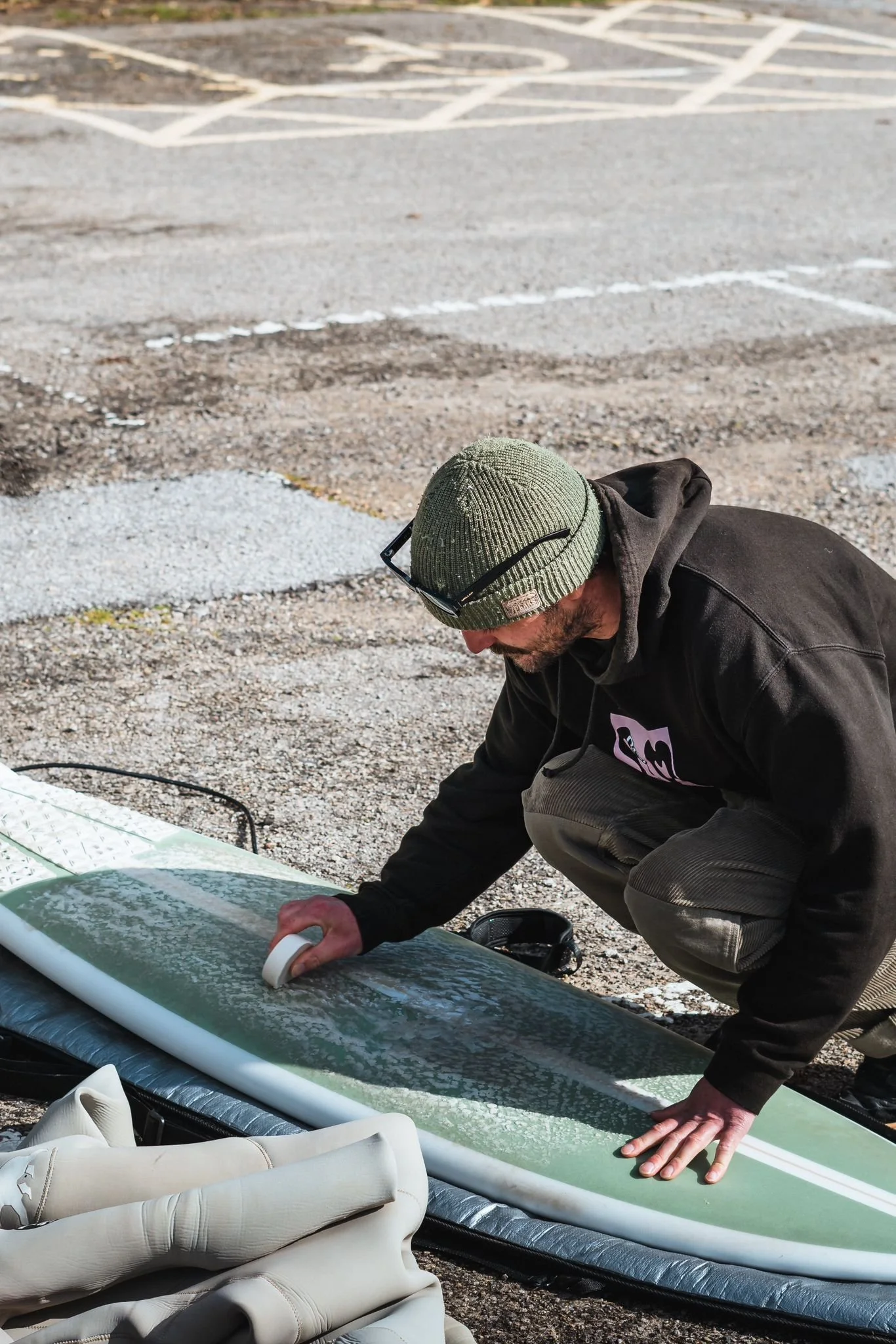
Matching up the conditions to the shortboard - what’s the best for UK waves?
Once you do have the level required, and are wanting to make shortboard manoeuvres like cut backs, floaters, re-entrys etc - it’s all about finding the right shortboard for the conditions.
It’s onshore and weak, go for the grovellor.
So long as you can position your body well enough on a shorter board, you should benefit from the generous width and thickness. If you find yourself not getting enough speed on the wave when trying these boards, you may need to spend more time honing your pumping skills on a bigger board.
It’s small but offshore and hollow, go for the everyday.
If you’ve found a happy medium that works for your size, then you just need a punchy wave to enjoy one of these shortboards. You will have to work harder to get waves and generate speed but the reward will come when you nail a tight turn that you wouldn’t have been able to do on your mid length.
It’s head high plus, off shore and pumping…and you’ve had a red bull - channel your inner Kelly Slater and go for the high performance.
A once in a month/3 month type surf conditions in the UK. If you’ve got a high performance shortboard then these are the conditions to get it in.
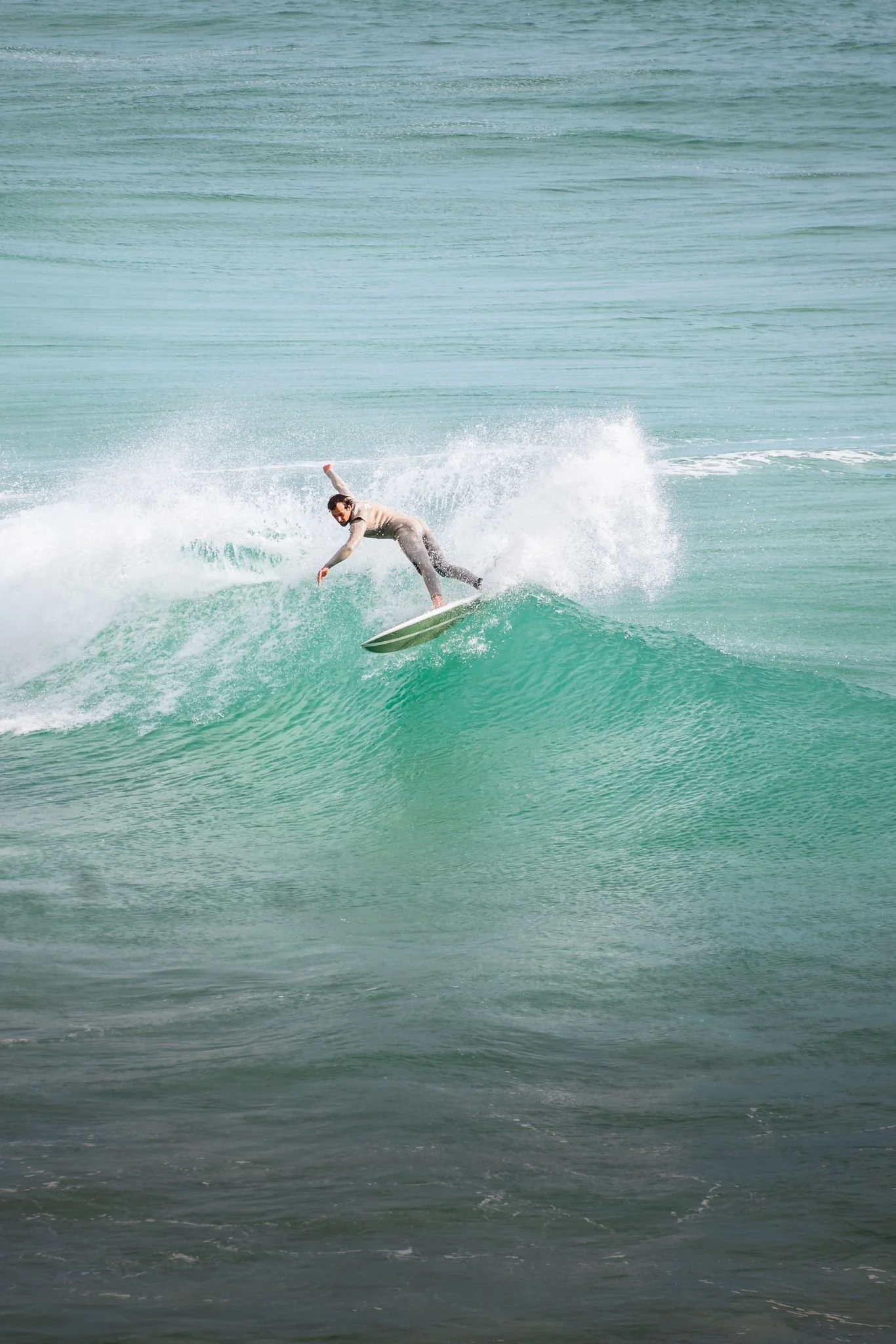
What kind of surfer suits a mid length?
Ability wise, you need to be comfortable on a mini-mal or have progressed well on a smaller foamie, popping up consistently and riding waves left and right, making small top and bottom turns to control your direction on the wave.
Depending how confident you are and your weight, you may choose to go for a higher volume mid length or opt for one that can be taken out in bigger conditions too.
We’ve covered this well in our previous blog: https://www.handlaideggs.co.uk/blog/what-mid-length-surfboard
Matching up the conditions to the mid length - Can you duck dive a mid length?!
Whilst you can ride a floatier mid length in almost any conditions, you may not have as much fun on a given day, depending on your level and what you want to get out of the surf.
This is where personal opinions come in. For example, some people will only surf a shortboard, happily suffering with less wave count but enjoying the amount they can turn on the wave once they have generated speed.
It’s onshore and weak, a fuller outline and flatter rocker mid length will be great for wave count. A good paddling mid length that has plenty of float will get you lots of waves and keep your speed up for making drawn out turns on a less than ideal day.
It’s offshore but small, either a small wave midlength or a more rockered lower volume one will keep your wave count high. Whilst you will be happily paddling on early, you may find it slightly hard to ‘fit’ a longer board into a more small and hollow wave face. Your turns won’t be as tight as they would on a shortboard, but you will enjoy a lovely fast down the line, cruisey surf.
It’s head high plus, off shore and pumping…if you can paddle your mid length out there then you will have fun. Personally this is where a mid length has helped my surfing the most, having a bigger board to get onto steeper scary waves early as opposed to making quick drops on shortboards. The negative here is the amount of board you have to duck dive, and again if you wanted to make more vertical sharp turns. The best times for mid lengths when it’s like this, are when there is fat hard to paddle onto take offs and then it gets steep after.
Any of the above, but it’s a busy UK beach break or you are tired. Perfect mid length territory! Not just for intermediates but advanced surfers too, this is when mid lengths maximise your wave count and you leave the water smiling.
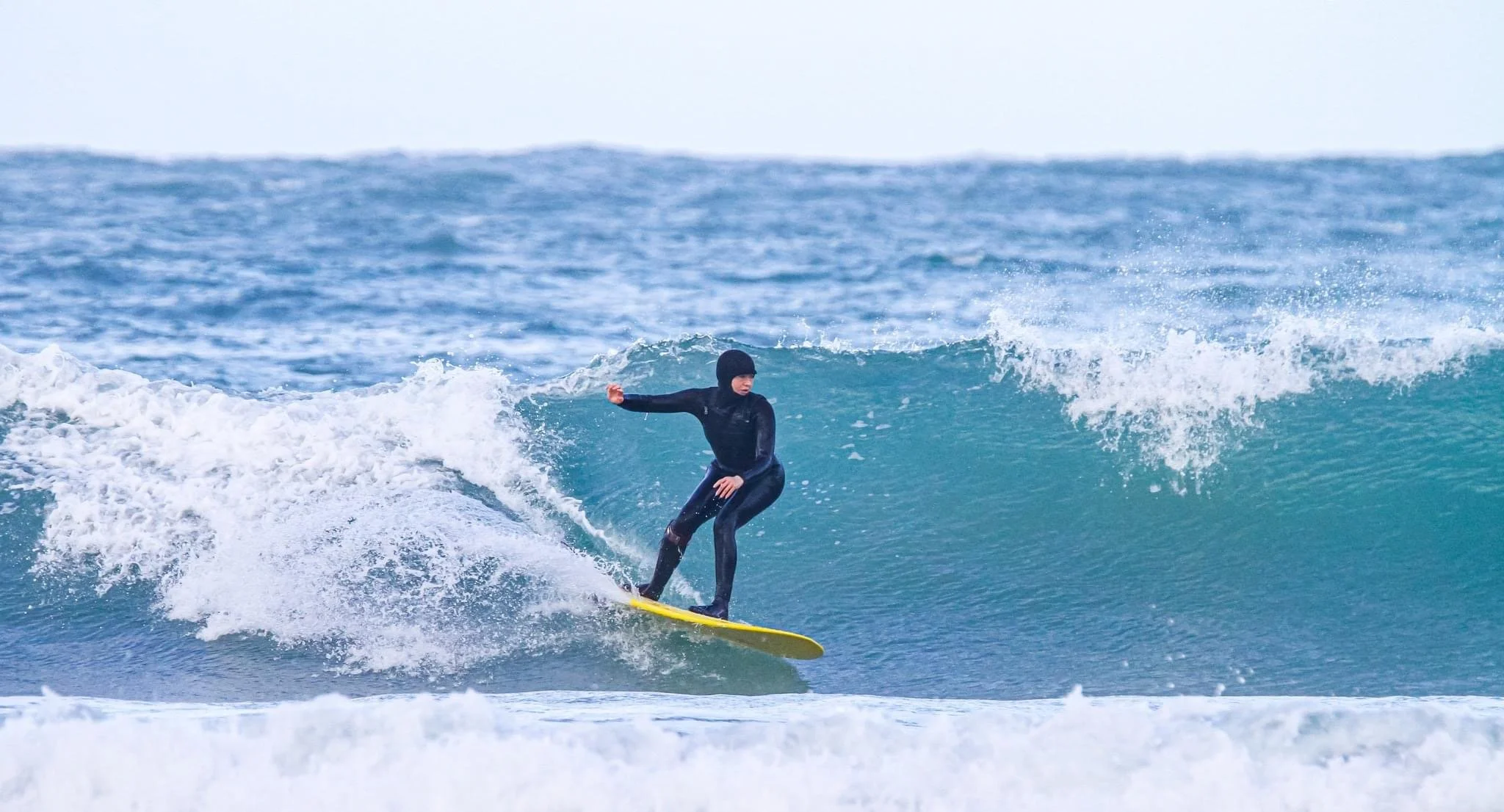
The UK surf problem with shortboards…
Honestly this is a problem with UK surfers, not the boards - going too short and small too soon, if ever.
We are all influenced by surf media, seeing the pros shredding and wanting the cool look of a shortboard under our arm. The reality here is without the skill level, the board will hold you back.
It’s not just a board that turns easily, it’s the skill in the surfer that makes it look good. My advice is to learn manoeuvres on a board that floats you and gives you speed to take into the sections, rather than a board where all it wants to do is turn.
Don’t spend hours in the sea wobbling around on a tiny board, the more waves you get on a bigger board, the more you will progress and more importantly - have fun.
Also, when it is big and punchy (at least in Cornwall) it’s also windy. It’s hard to pick up paddle speed on a small shortboard, but once that mid length gets up to speed it won’t stop and you will be on the wave and down the line before you’ve cleared the off shore spray out of your eyes.
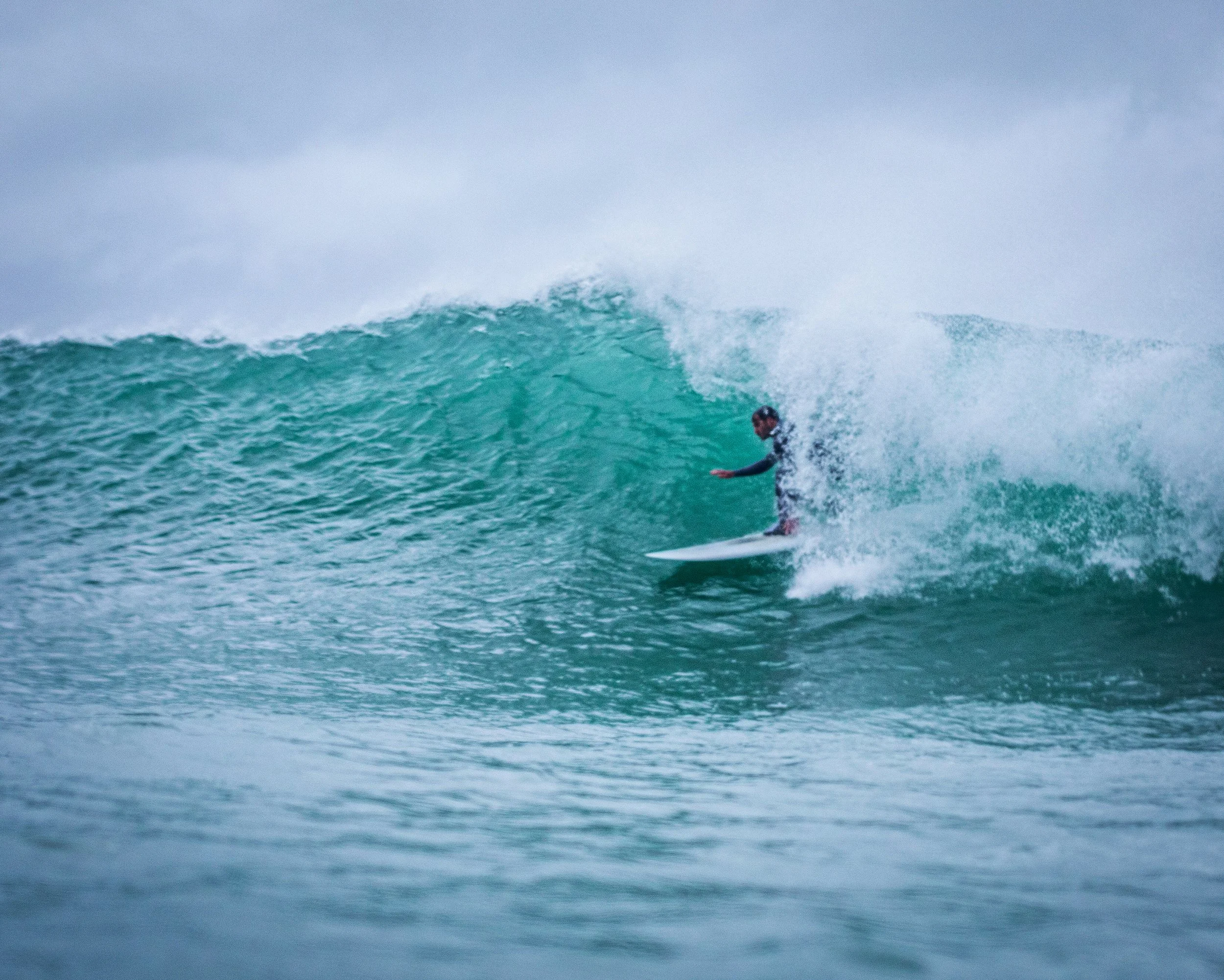
What about a high volume shortboard?
For intermediate surfers venturing into the shortboard world - this is the best compromise. Higher volume shortboards (like our Scrambled Lite) are similar to everyday shortboards but a bit thicker and without such aggressive outlines.
Leaving the rails fuller and not foiling out the nose and tail too much, provides an easy to paddle, fairly stable, shorter board in a size that will also fit in the steeper parts of the wave.
Sizing these up requires finding a volume that will float you enough to catch waves, but not too thick you cannot duck dive and get out the back. With any progression jump like this, there is a transitional period where you will need to get used to the board and accept there will be some time figuring out your paddle and foot positioning.
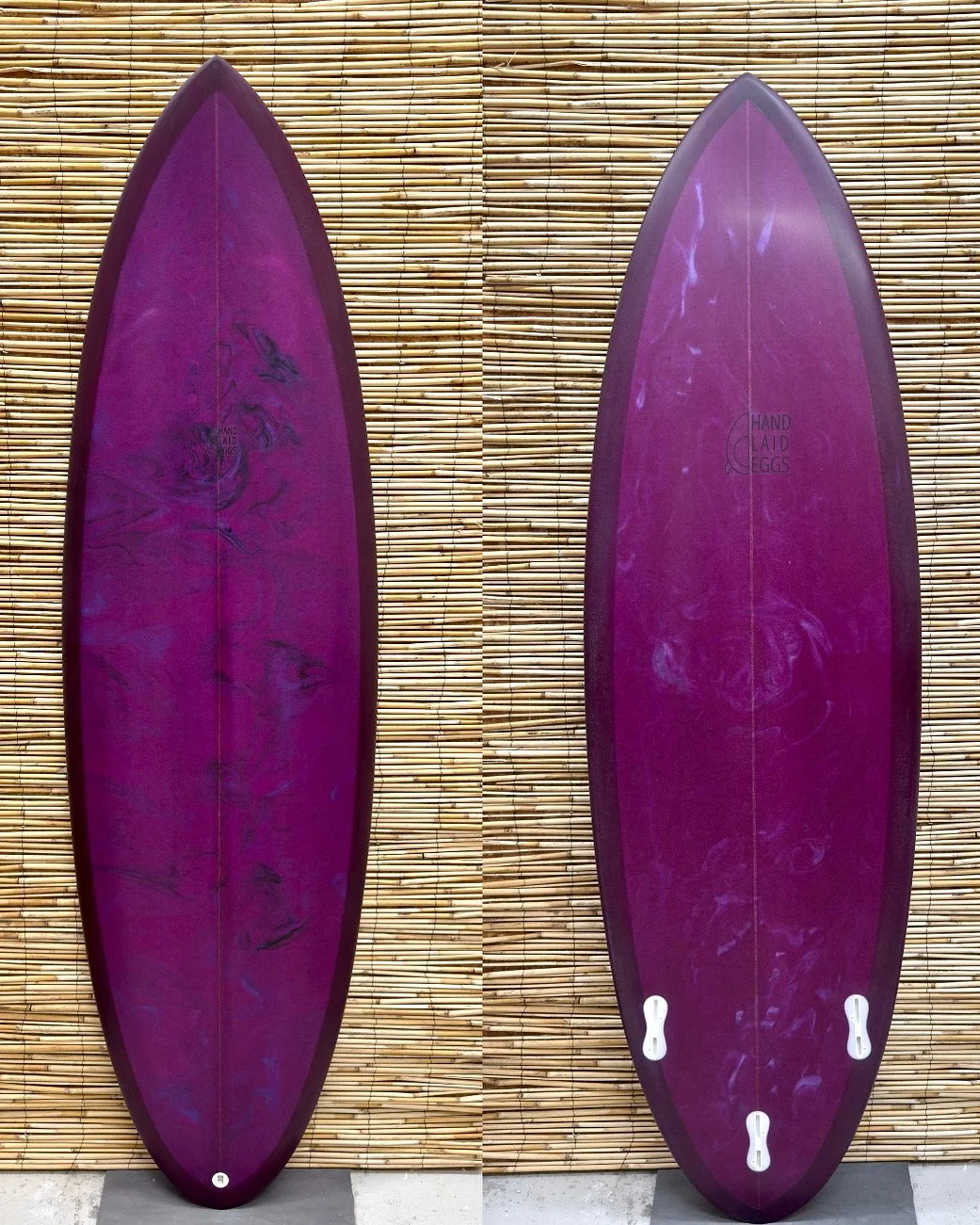
Custom colours on our high volume shortboard model
In summary…
The main thing that should affect your choosing of the above is ability level.
After that, it’s the steepness of the wave and what you want to get out the day. If it’s about maximising your wave count - always go for the mid length.
If you are committed to progression, get on a well sized shortboard and not some tiny beaten up board from facebook marketplace.
Don’t drop down in size too early, and when you do, remember that the conditions play a huge part in your board choice.
Keep your midlength in your car and remember what the point is of surfing - to get waves and have fun.
If you need help sizing up a board, the best way is to speak to us.
Bring us your current board(s), ambitions for the future and tell us your current struggles - we’ve listened to and helped hundreds of people improve their surfing.
Drop us a message on Whatsapp using the green button on the main pain or hit this link for the email contact form.