
What is a Mini Mal Surfboard (Mini Malibu)? Size, Shape and Who It's For | Hand Laid Eggs
By Max - Board designer and shaper
Hand Laid Eggs
Mini-mal, minimal or mini Malibu surfboards have been around since the 60s. Ask anyone what you should learn or improve your surfing on and they will say without thinking, get a mal.
But what really are they and who are they for?
Honestly, even within the named styles, categories or types of surfboards, there are many variations. Within the variations…there are variations.
Mini-mal, mid-length, mini mid length, egg, funboard, hybrid…
The beauty and beast of surfing and surfboards is there are so many variables. Every wave is different, every human is different.
In this blog we will tell you what a mini-mal surfboard is, its defining features, and if this type of board is suitable for you and your surfing progression..
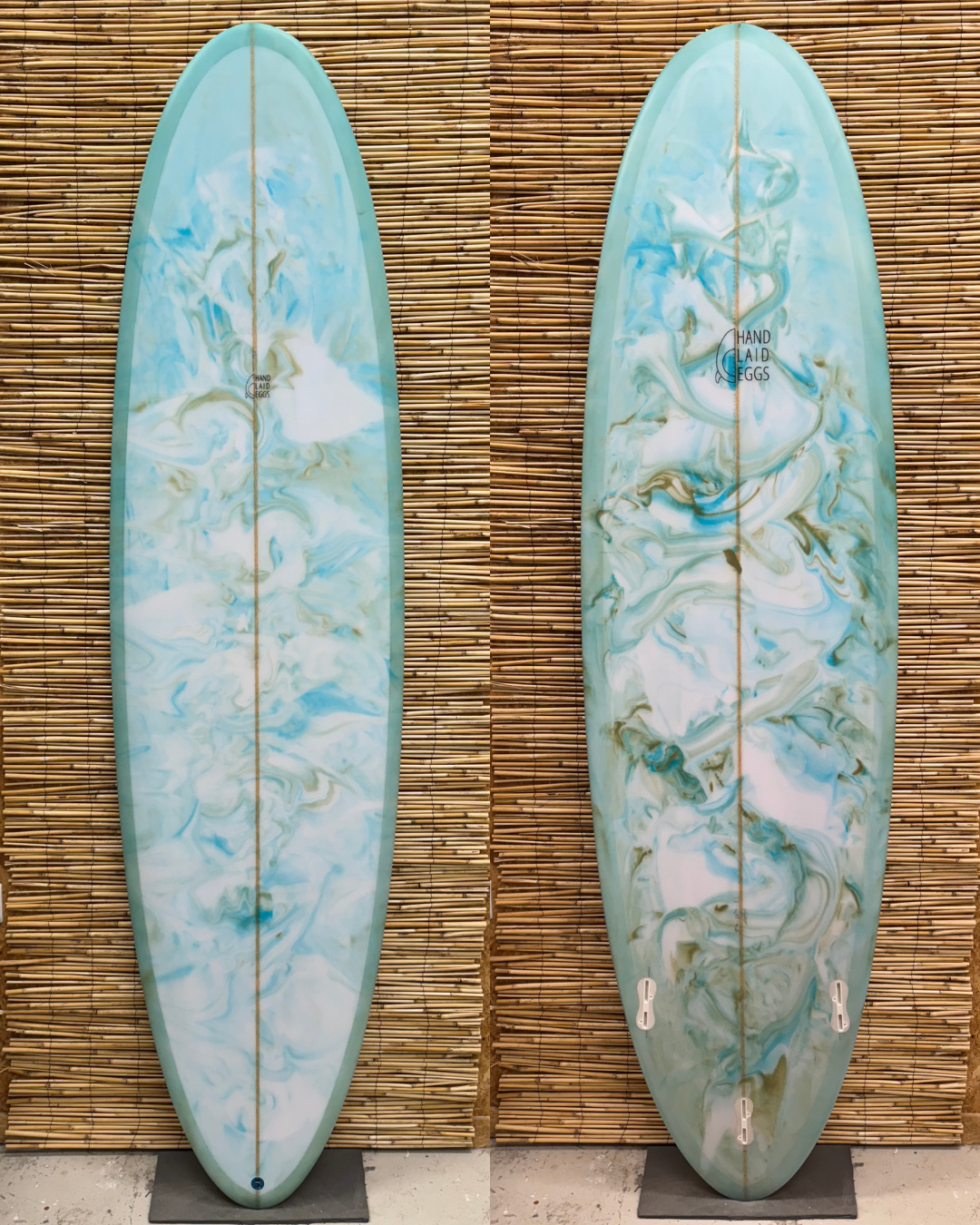
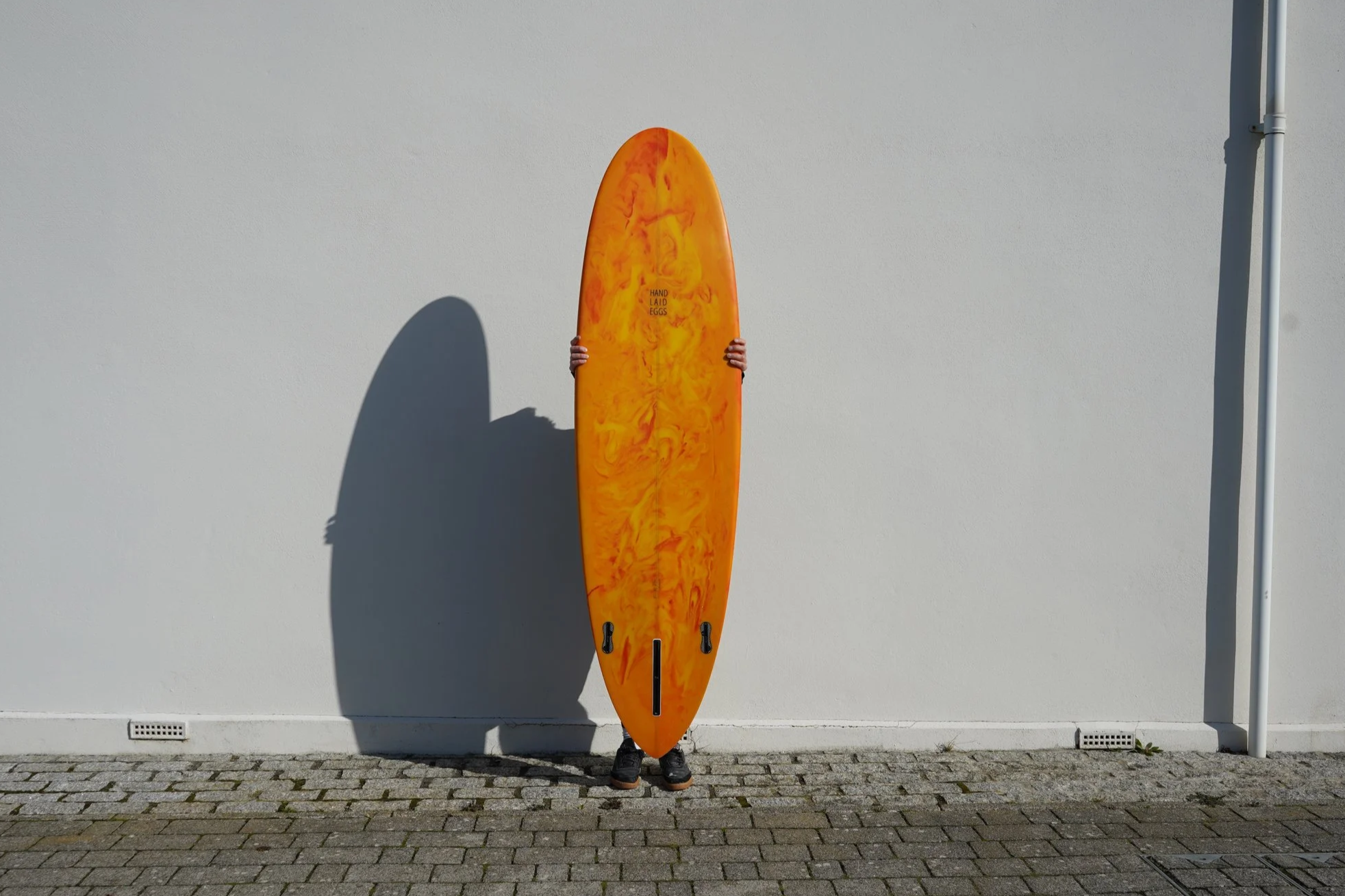
A funky design on our Sunny Side Up mini-mal surfboard, perfect for learner and improver surfers
What is a mini-mal surfboard?
The Mini Mal surfboard, often referred to as a minimal or mini-mal, is a versatile type of larger surfboard that came about from reducing the size of heavy, traditional longboards (aka logs). This dates back to the 50s/60s, when people were only surfing wooden longboards in small waves.
Shape
The shape also varies, with mini-mals, funboards and mid lengths all open to some cross-over of how you label them. Generally mini-mals are labelled with a round nose, straighter outline (a longer stretch where the rails seem more parallel to each other) and wide tails which often are squared off.
Length
It’s generally agreed mini-mals are 7ft to 8’6”, with the latter being close to the size of a longboard, which are generally agreed to be from 9ft onwards.
Width
Mini-mals are usually over 20 inches and up to 23 inches wide at their mid point, with the majority being around 21 inches wide.
Thickness/Volume
The thickness varies but the minimum is much thicker than a performance shortboard, and thinner than a traditional log - somewhere between 2 ⅝ thick to 3 inches thick. Amongst other things, the thickness effects the volume. Mini-mals usually feature a high volume due to the thickness, round rails and round shape.
Fin set up
The fin set up of minimals is either 2 + 1, where you have a large single fin and two smaller side bites. A thruster three fin (the best all round fin set up) where three fins are the same size. Or a large single fin on its own.
Rocker and Rails
The rocker of mini-mals (the rocker is the bottom contour of the board, imagine how it is shaped like a mellow banana when you leave it deck up) is often fairly flat throughout. This mostly helps on smaller waves and increases paddle power, care must be taken when designing a board for beginners, one that doesn’t have enough rocker at the front will paddle fast but is more likely to lead to nose dives.
Finally, the rails are quite thick and round, retaining the boards buoyancy, keeping it stable without ‘slicing’ into turns like shortboards are known for.
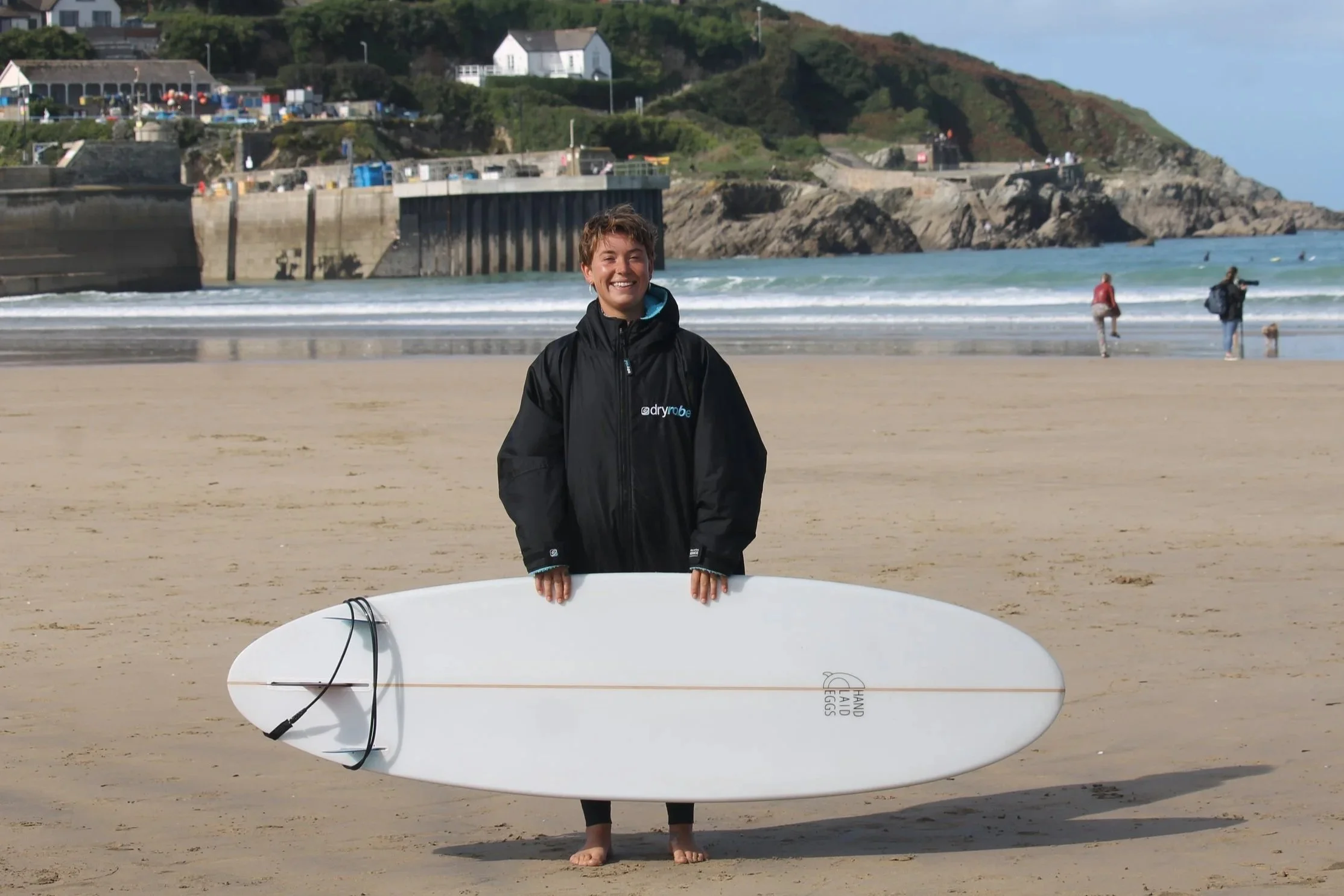
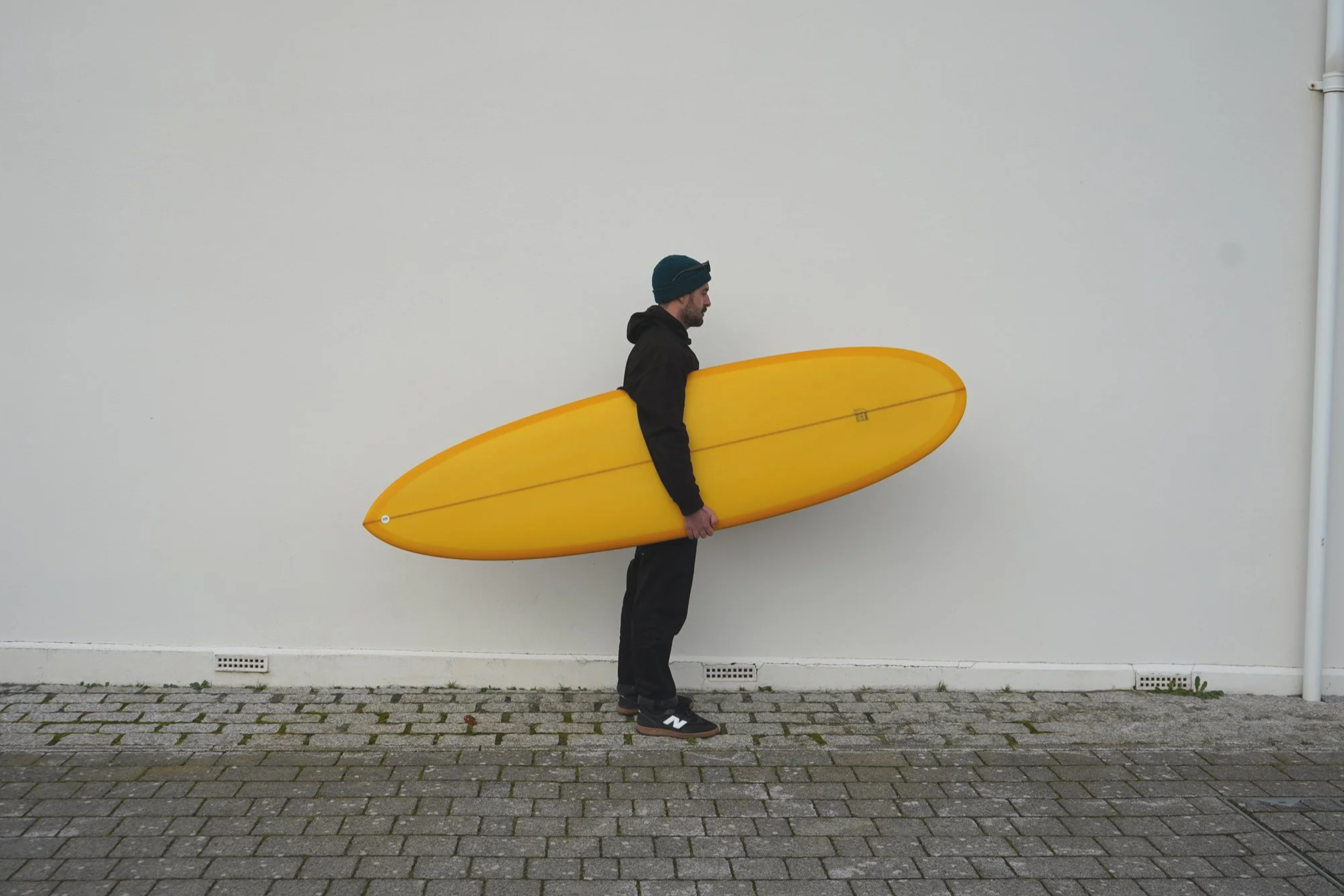
A 7ft mini-mal like our Sunny Side Up model pictured here can be a great option for smaller surfers
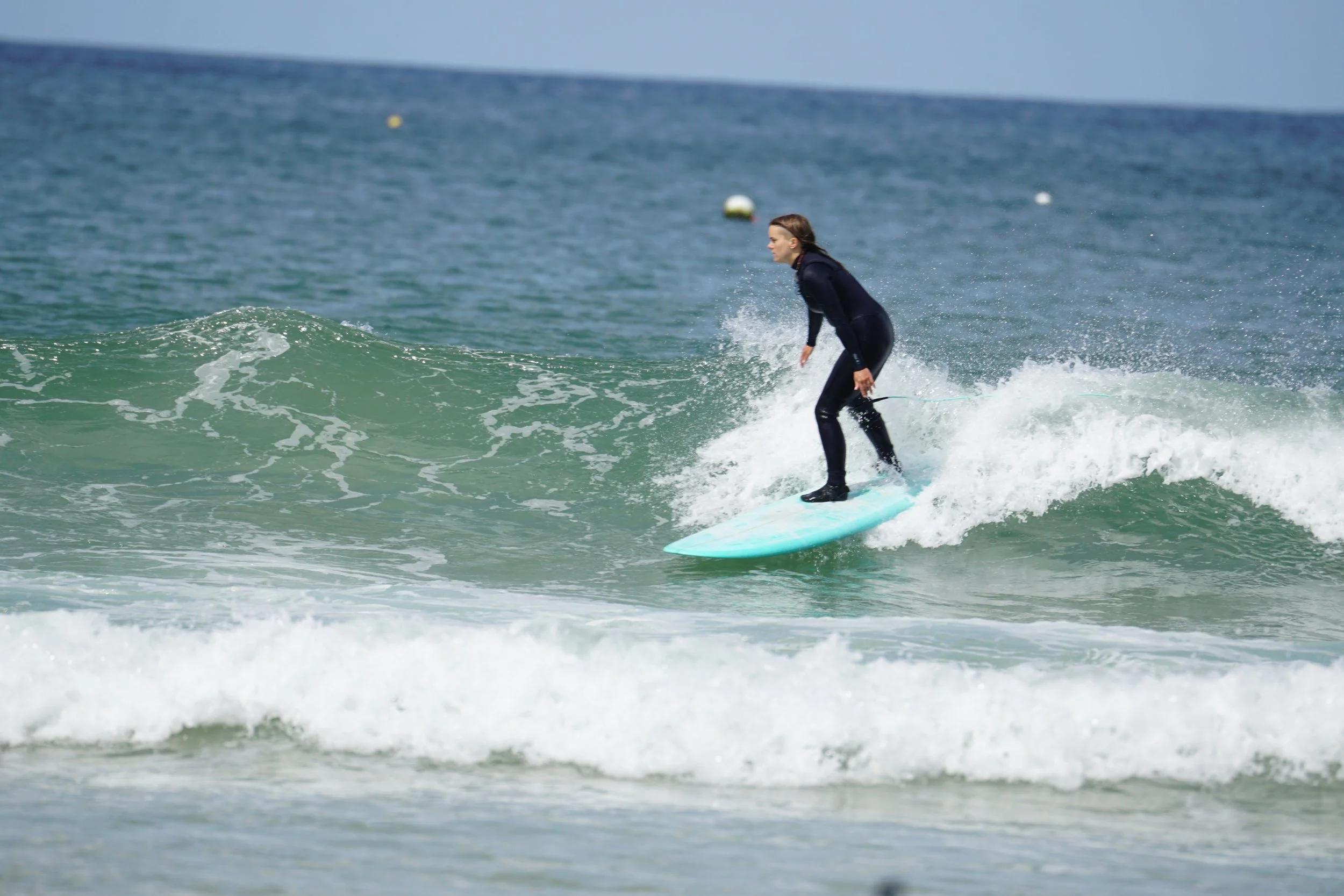
Soft rounder rails of a mini-mal are perfect for maintaining speed on small green waves
Why are they so popular and who uses them?
Back in the day, mini-mals became the go to board for teaching people how to surf. Being shorter than a longboard, but still wide, thick and therefore floaty - they are easy to handle but still stable.
As surfing became more accessible, the mini-mal continued in popularity with the learner and improver market. Mini-mals were also picked up by more advanced surfers more recently in time. During a period where it seemed you were either a shortboarder or a longboarder, mini-mals were a go between for small to medium days.
Since then, surfing has become more accessible and easy to learn, mostly because of the introduction of mass produced cheaper foamies, which made a better first board over fibreglass mini-mals.
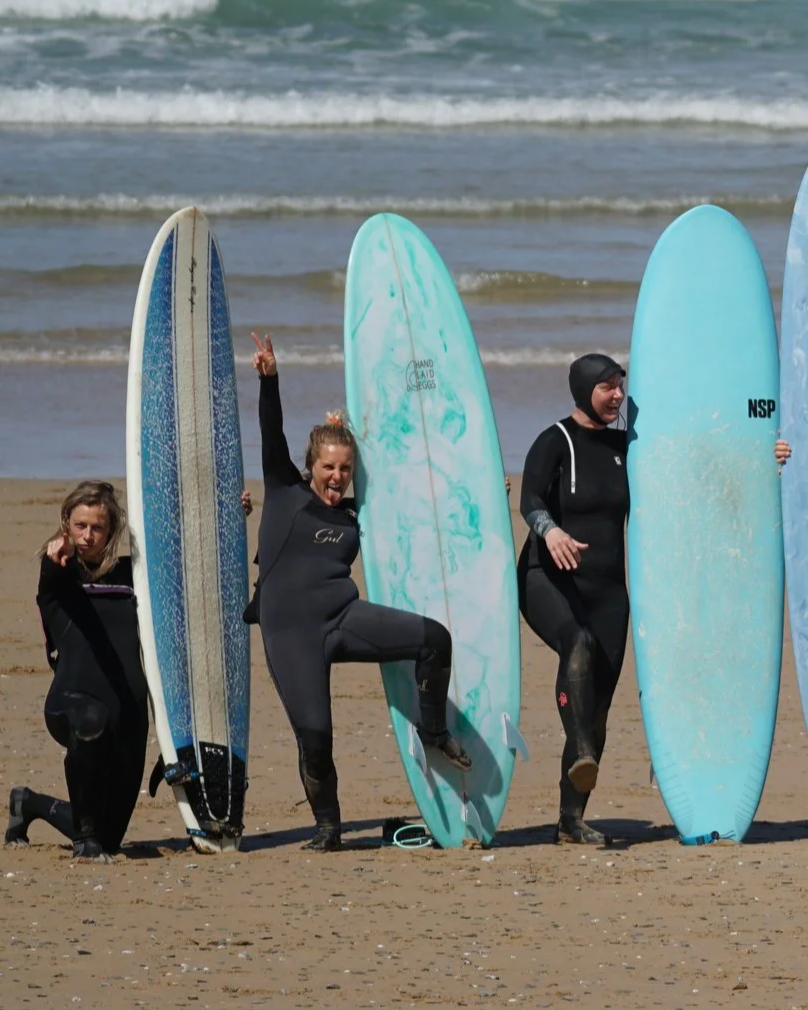
Gather and Glide Surf Academy using the Sunny Side Up and various other minimals on one of their excellent courses for women surfers in Cornwall
Should I get a mini-mal surfboard?
Mini-mal surfboards are an excellent choice for two types of surfers:
If you are confident on your foamie, turning in the white water and progressing on to or already riding small green waves - a mini-mal surfboard is right for you!
Foam surfboards are great for when you are learning control, often falling off or onto the board, after this the large boxy rails and soft material become more hindrance than help when you are making turns.
Hard fibreglass material, shaped rails and fins that aren’t made of bendy plastic really make the difference. As a surf coach who has seen countless people’s first experience with hardboards - most of them are instantly shocked at how easy they are to surf, often described as even easier.
At Hand Laid Eggs, we’ve modernised the shape and design of the traditional beginner minimal, drawing inspiration from foamies, mid length and eggs in order to create the best minimal for beginner and improver surfers.
The Sunny Side Up is our mini-mal model, perfect as your first hardboard or if you are wanting a floaty, high volume board to get the most waves on small days.
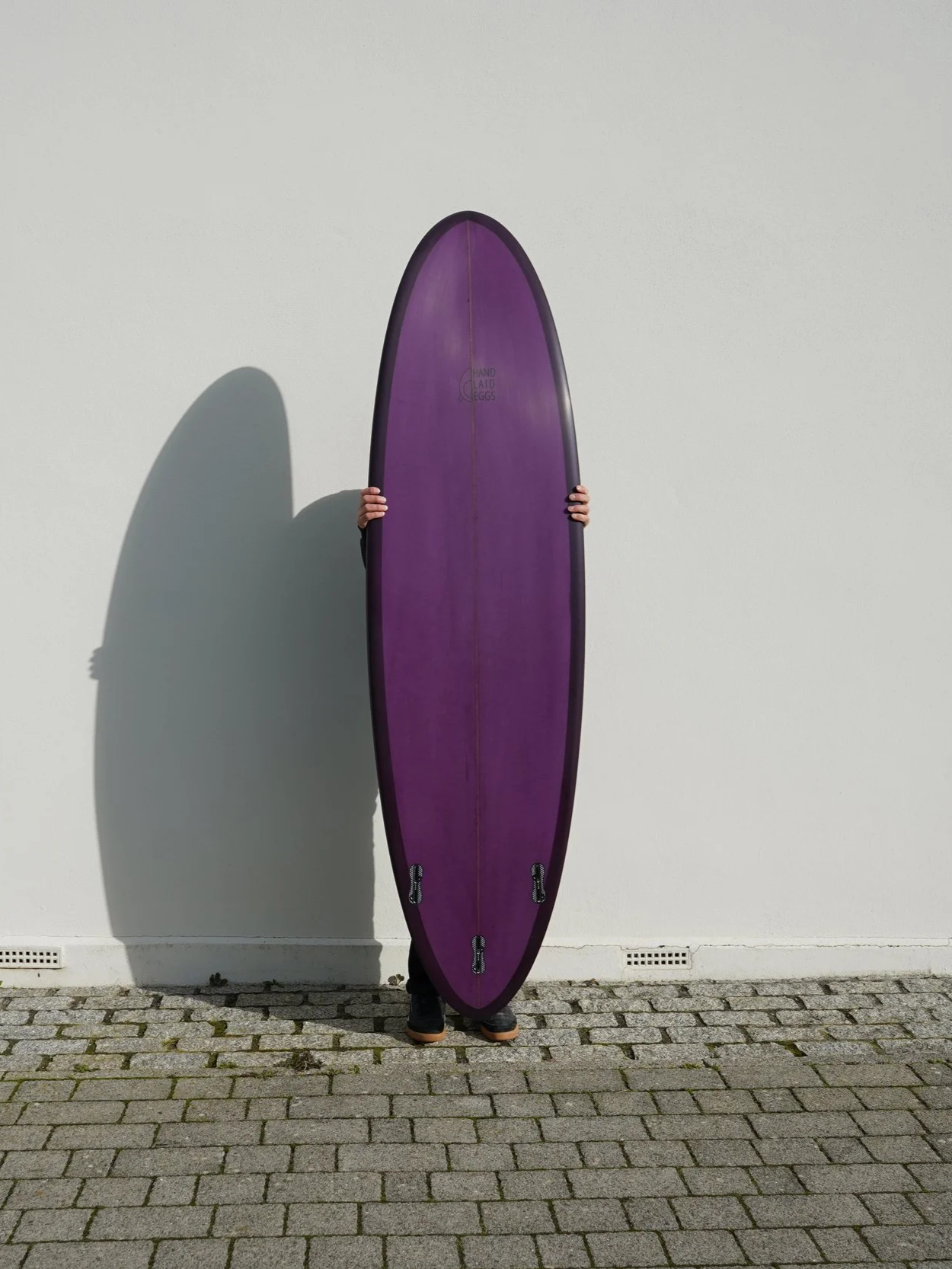
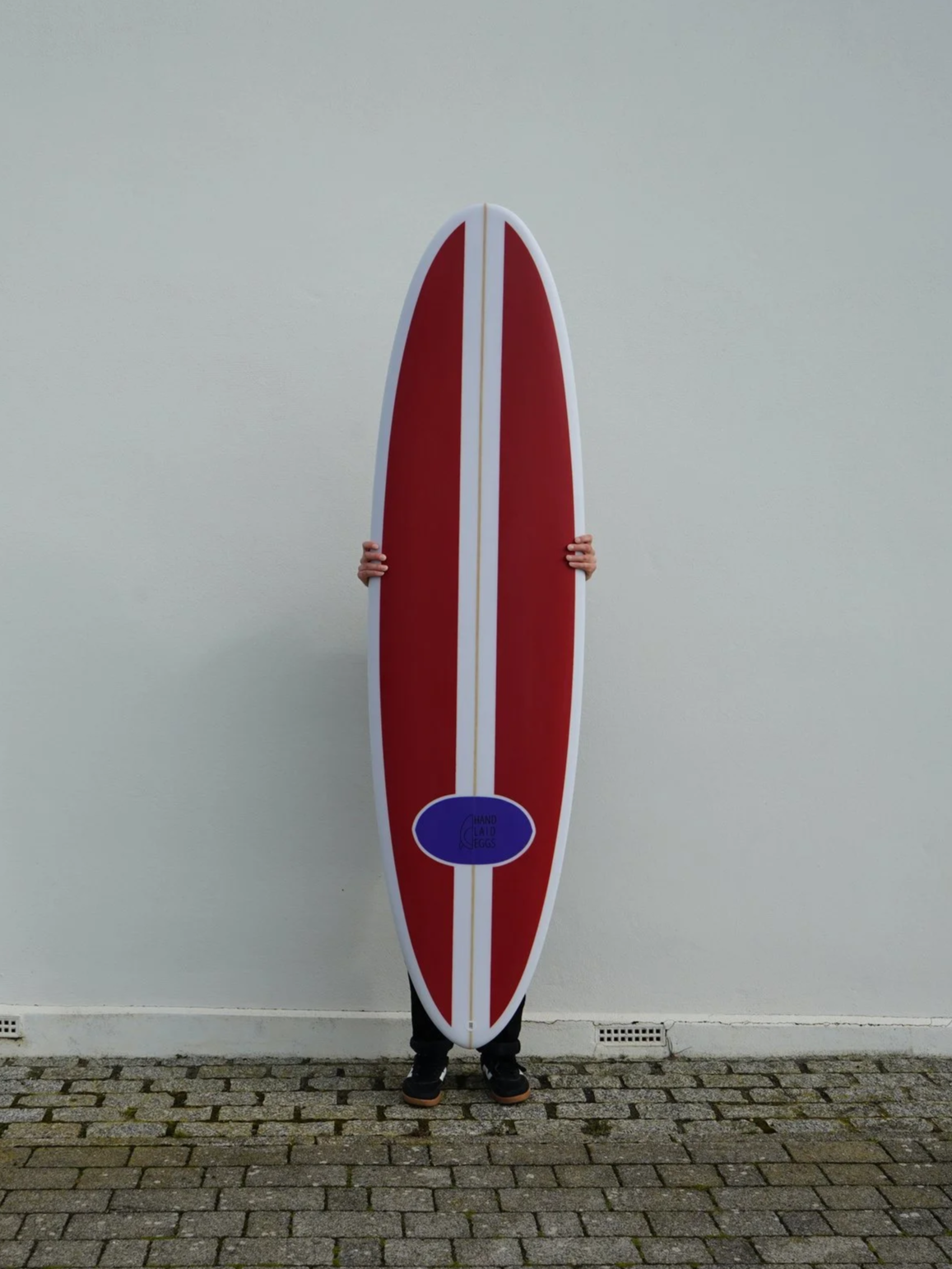
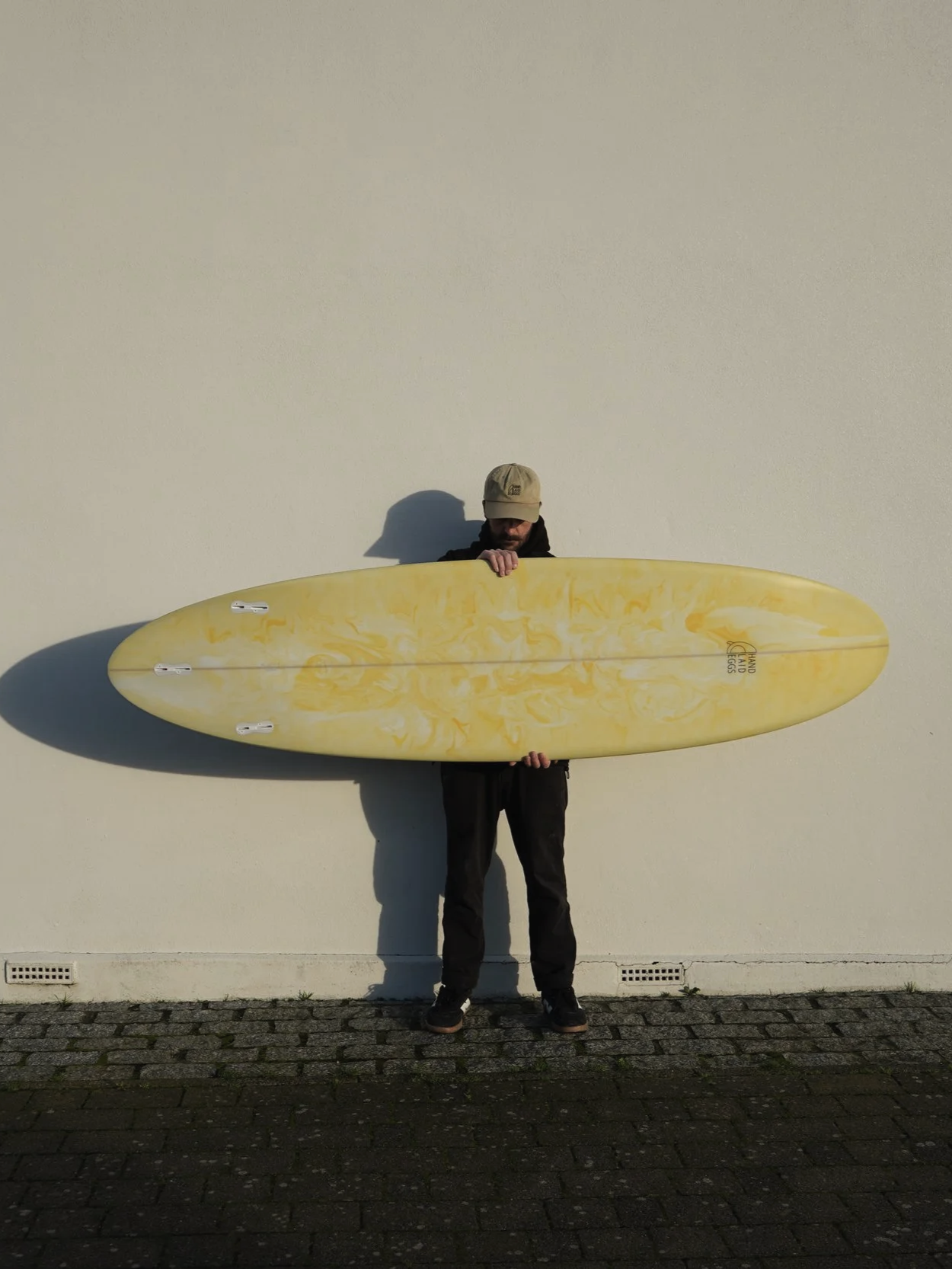
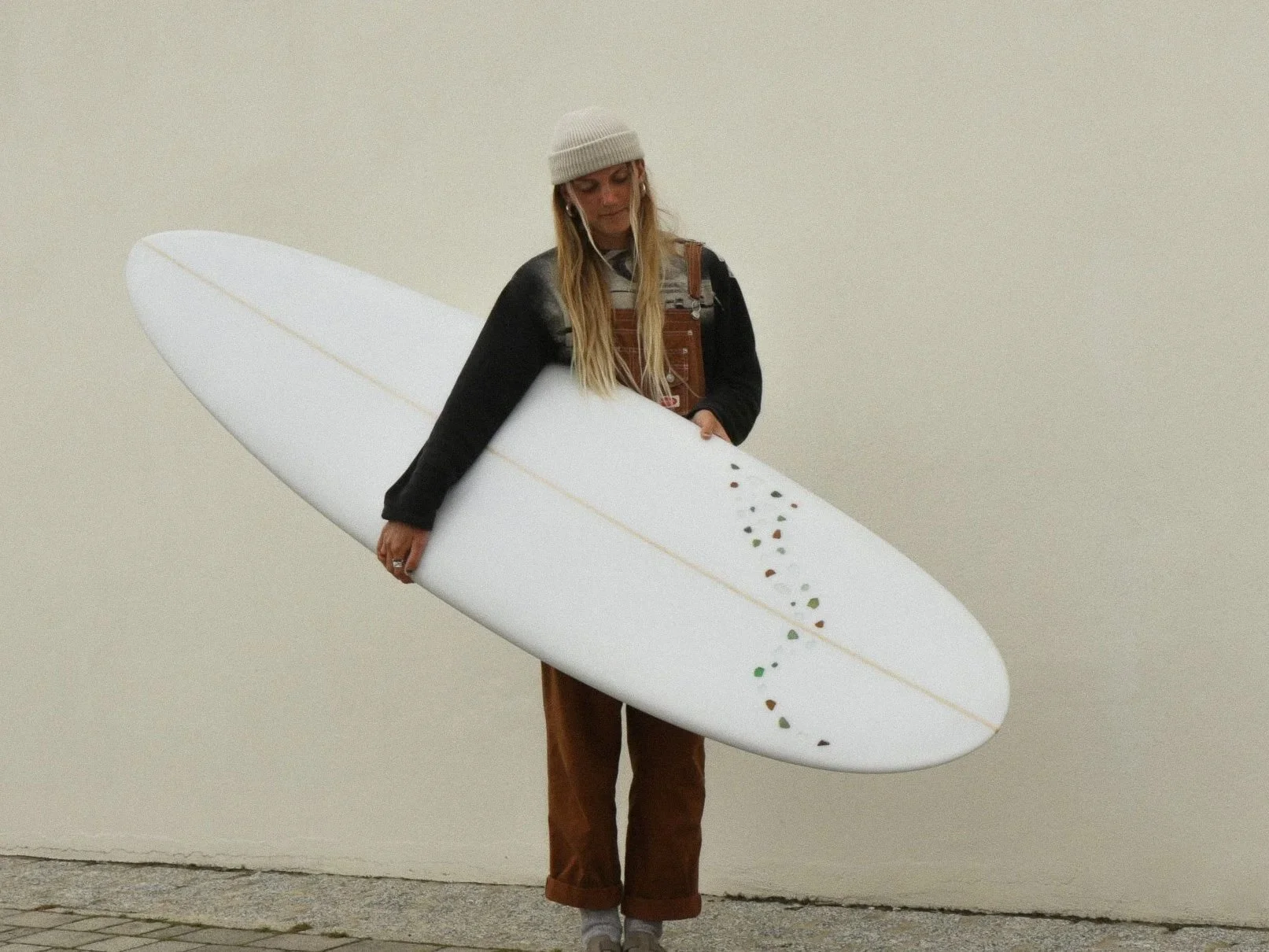
Intermediate or more advanced surfers look for a fast, fun and floaty board for small and medium days
We’ve all been there before, it’s too small for the shortboard or even a smaller mid length, you are grumpy because you only got one wave and could keep enough speed to stay a float - or even catch the wave!
The best mini-mals for this type of surfer are ones that have a more pulled in tail combined with a round nose. The round nose paddles you onto the wave, the pulled in tail keeps as much of that shortboard vibe as possible.
These types of minimal boards are also great for intermediate surfers who have clung on to a foamie too long, progressing beyond the need for an improver mini-mal. Or those who love the feel of a longboard but are needing something that’s easier to manage in and out of the water.
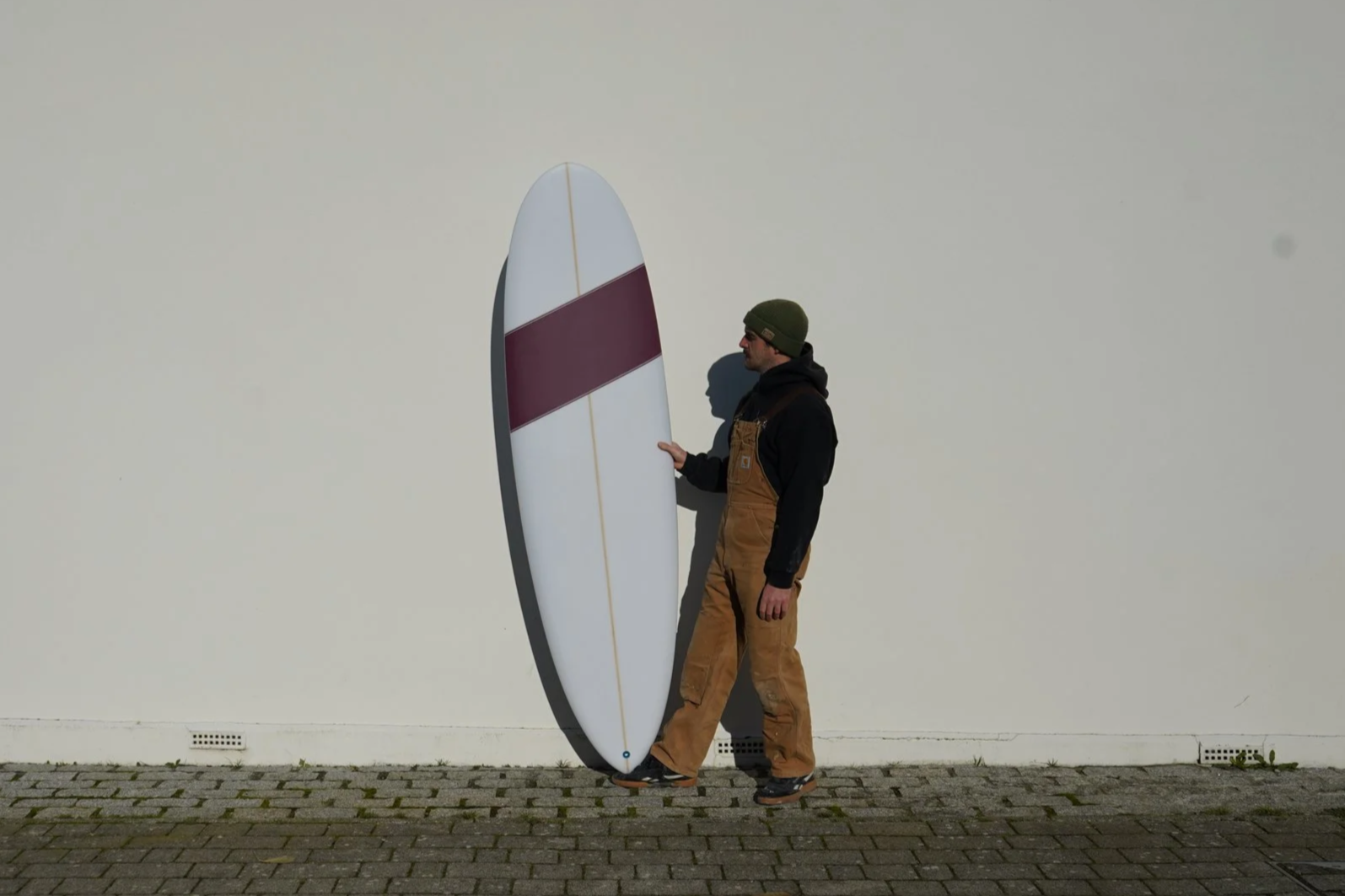
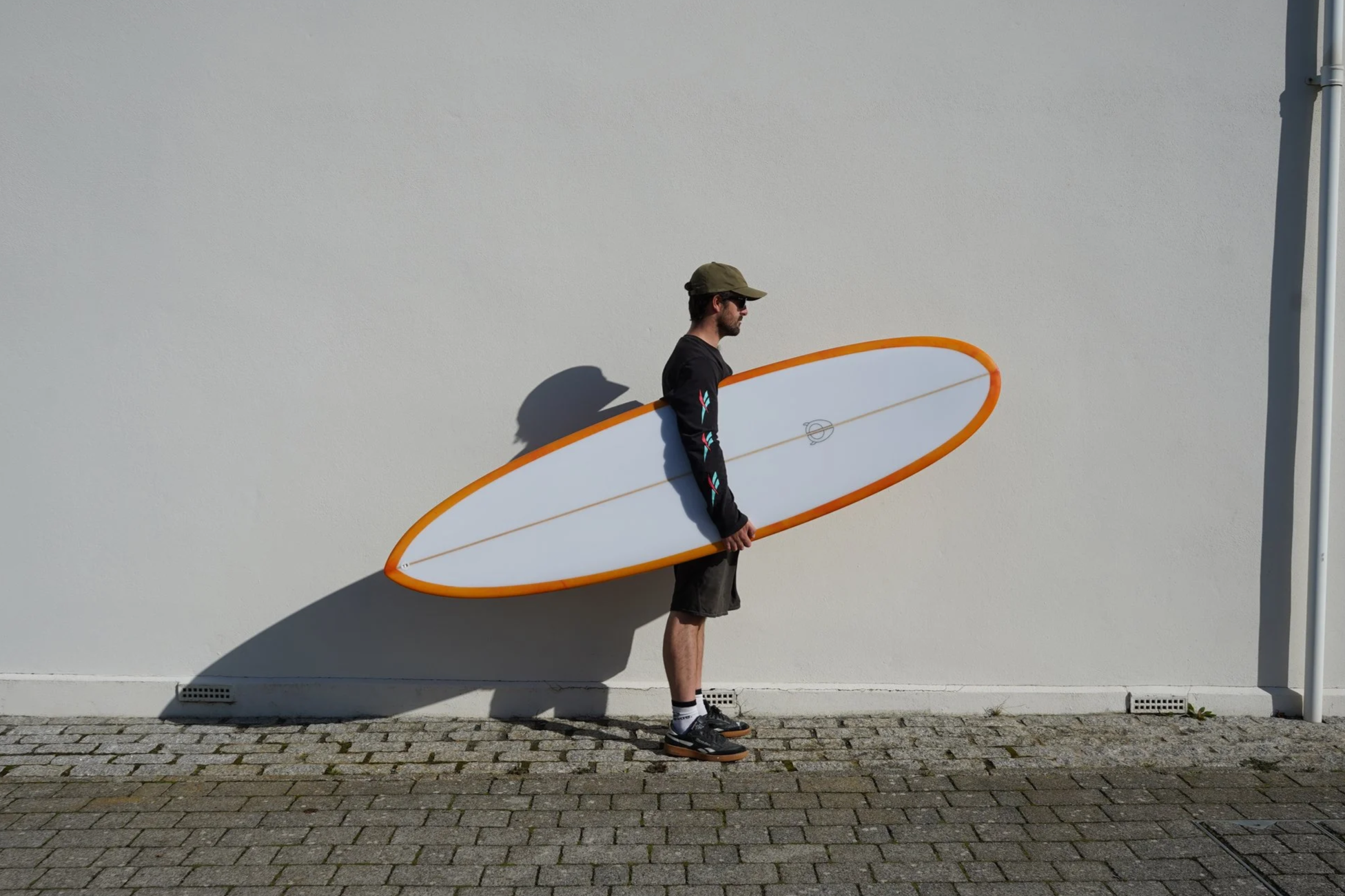
The Poached model crosses over from mid-length to minimal surfboard. It’s more refined than our Sunny Side Up model, still with lots of paddle friendly features to maximise wave count.
Final note
Mini-mals are great to learn on, the best mini-mal to improve your surfing involves pairing the shape and size that will work with your surfing ability, height, weight, and where and how often you surf.
Drop us a message to chat to our friendly shaper, who has helped hundreds of people get the right surfboard for them.
Browse our mini-mals here handlaideggs.co.uk/mini-mal-surfboards
Frequently asked questions
What is the difference between a mini-mal and a mid-length surfboard?
Mini-mals and mid-lengths are often confused — and there is genuine overlap between them. Mini-mals are generally characterised by a round nose, straighter parallel outline through the middle, and wide, often squared-off tails. Mid-lengths tend to have more refined outlines, pulled-in tails, and are designed with more performance in mind. A mini-mal is typically the better choice for a beginner or improver focusing on stability and wave count. A mid-length suits surfers ready to start carving and improving their technique. Some boards — like the Poached — sit deliberately between the two categories.
What size mini-mal surfboard should I get?
There is no easy way to answer this without taking into consideration a lot of details about you and your surfing ability. As a general rule, heavier surfers and complete beginners benefit from going longer and wider — more volume means more stability and easier wave-catching. Lighter or more progressed surfers can size down towards 7ft, which is more manoeuvrable and easier to duck dive. Speak to our shaper who can recommend the right volume for your weight and surfing level.
Is a mini-mal good for beginners?
Yes — a mini-mal is one of the best boards for beginner surfers making the move from a foam surfboard to their first fibreglass board. The width, thickness, and volume give you the stability to focus on technique rather than fighting to stay upright. The shaped fibreglass rails and proper fins also make a noticeable difference — most people are surprised by how much easier a well-designed mini-mal feels compared to their foamie. The key is choosing a mini-mal designed for learning, not just any large board.
What’s the difference between a longboard and a mini-mal?
Longboards are generally 9ft and above — heavier, wider, and designed for noseriding and classic longboard technique. Mini-mals run from 7ft to 8'6" and are shorter, lighter, and easier to handle in and out of the water. A longboard requires more experience to use effectively; a mini-mal is more accessible for improvers. If you want to learn to cross-step and hang five, a longboard is the goal — but a mini-mal is usually the smarter starting point.
What is the difference between a mini-mal and a funboard?
The terms are often used interchangeably, which adds to the confusion. Funboards tend to be slightly shorter (6'6" to 7'6") and have more of a fish or egg-like outline — wider in the nose and tail with less of the straight parallel rail section typical of a mini-mal. Mini-mals are generally longer, more parallel in their outline, and more stable underfoot. Both suit improvers, but a funboard typically suits a slightly more progressed surfer looking for more performance from a larger board.
What is the best mini-mal for UK surf?
The best mini-mal for UK surf is one designed with our waves in mind — smaller, often onshore, and variable. Many imported mini-mals are shaped for warmer climates with more consistent, powerful surf and don't perform as well in typical British conditions. A board shaped by someone who surfs UK waves regularly, made to your exact dimensions rather than pulled off a production line, will almost always outperform a mass-produced import. The Sunny Side Up from Hand Laid Eggs is handmade in Cornwall specifically for this — wider and shorter than a traditional mini-mal, with volume where it counts for UK conditions.